

Sebaceous Cyst Removal: Procedures, Recovery, and What to Expect
A sebaceous cyst is a non-cancerous, slow-growing sac under the skin that contains a yellowish, oily substance called sebum. While generally harmless, these bumps can become painful, infected, or cosmetically bothersome. If you are dealing with a persistent lump, understanding the process of sebaceous cyst removal can help you make an informed decision about your dermatological health.
Why Consider Sebaceous Cyst Removal?
Many people live with small cysts without any issues. However, medical professionals frequently recommend surgical cyst excision for several key reasons:
-
- Infection prevention: Cysts can rupture or become infected, leading to painful abscesses.
- Pain relief: Large cysts can press against nerves or cause discomfort under clothing.
- Cosmetic concerns: Cysts on the face, neck, or visible areas can impact self-confidence.
- Definitive cure: Squeezing a cyst at home only removes the contents, leaving the sac intact, which guarantees it will grow back.
Effective Sebaceous Cyst Removal Techniques
Dermatologists and general surgeons use a few primary methods to treat and remove cysts. The chosen technique depends heavily on the cyst’s size, location, and whether it is currently inflamed.
1. Conventional Wide Excision
This is the most definitive epidermoid cyst treatment. The surgeon cuts a complete incision to remove the entire cyst wall along with its contents. This approach drastically minimizes the chances of recurrence but usually leaves a linear scar that requires sutures.
2. Minimal Incision Excision
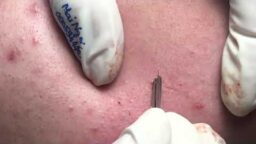
For patients worried about scarring, a minimal incision technique is ideal. The doctor makes a tiny puncture, squeezes out the contents, and then extracts the empty sac through the small opening. While it leaves a much smaller scar, it carries a slightly higher risk of leaving a piece of the sac behind.
3. Punch Biopsy Excision
Using a specialized circular tool, the physician punches a small hole through the skin over the cyst. The contents are evacuated, and the sac is pulled out. This method is fast and highly effective for small to medium-sized lumps.
What to Expect During the Procedure and Recovery
The cyst removal procedure is a quick, in-office treatment usually performed under local anesthesia. The area is completely numbed, meaning you will feel pressure but no pain during the surgery. The entire process typically takes between 15 to 30 minutes.
Post-Operative Recovery Tips
-
- Keep it dry: Avoid getting the surgical wound wet for the first 24 to 48 hours.
- Apply ointment: Use prescribed antibiotic ointment or petroleum jelly to keep the wound moist.
- Monitor for infection: Watch for increased redness, severe swelling, throbbing pain, or foul-smelling drainage.
- Scar management: Once the stitches are removed, using silicone sheets or gels can significantly reduce long-term scarring.
When to See a Doctor
You should schedule a consultation with a qualified dermatologist if your cyst grows rapidly, becomes red and hot to the touch, or leaks fluid. Attempting to pop a cyst at home increases the risk of infection and makes future surgical removal much more difficult.